
When outsourcing production, the real challenge is managing your relationships with your producers effectively. Miscommunication, shifting expectations or misaligned goals can turn even a promising partnership into a costly setback.
Below, we explore how to build and sustain effective contract manufacturing relationships that deliver long-term success.
A successful manufacturing partnership involves shared goals, transparency and mutual trust. In the past, outsourcing decisions may have been made primarily based on cost. However, things have changed in the manufacturing environment. Original equipment manufacturers (OEMs) increasingly value relationships built on reliability, collaboration and long-term alignment. When both parties operate as one integrated team, they can meet production targets while building resilience and a competitive edge.
A strong partnership starts long before the first product leaves the production floor. This stage determines whether the relationship will thrive or struggle.
The cornerstone of any contract manufacturing relationship is a detailed, transparent statement of work (SOW). A well-defined SOW ensures both parties understand exactly what success looks like. This document should cover the following:
For example, an OEM producing precision components might define temperature-controlled storage and shipment requirements. When every detail is clarified upfront, there’s less room for misinterpretation and more room for consistent quality.
Contracts often focus on risk avoidance, but they can also be written to encourage collaboration and continuous improvement. A well-structured agreement can include the following:
Before production begins, take time to align both teams on shared goals. This could involve a kickoff meeting that introduces cross-functional leaders, defines what success looks like and establishes communication norms.
For example, if the OEM’s primary goal is to achieve a faster time-to-market, both parties should identify how manufacturing processes can support that goal, whether through lean workflows, rapid prototyping or flexible scheduling. By aligning early, both teams can stay focused on the same outcome.
Consistent, structured communication is essential for every thriving manufacturing partnership. Without it, even the most detailed contract can fall apart.
A defined communication strategy helps every stakeholder stay informed and accountable. Consider setting up the following:
Define who attends each meeting and what outcomes are expected. Consistency can help build confidence, transparency and stronger collaboration.
Even in well-managed partnerships, challenges are inevitable. Having a defined escalation path ensures they’re addressed efficiently. You can define a clear escalation process, such as the following:
This structure can help ensure accountability and prevent issues from being overlooked or unresolved.
Shared data systems make collaboration smoother. Cloud-based dashboards, enterprise resource planning integrations or supplier portals offer real-time visibility into schedules, inventory and quality metrics.
For example, when an OEM and manufacturer share access to live production data, it can help reduce the need for back-and-forth emails and enable faster decision-making. Technology enhances trust by creating a single source of truth, keeping everyone aligned from the shop floor to senior management.
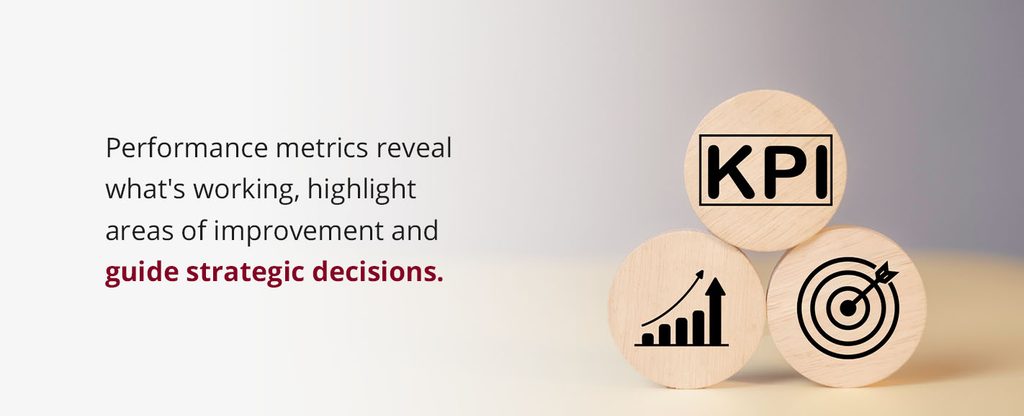
Strong partnerships depend on objective, data-driven supplier management. Performance metrics reveal what’s working, highlight areas of improvement and guide strategic decisions.
Beyond delivery and cost, meaningful performance metrics reflect responsiveness, collaboration and quality. Consider adding indicators like:
A balanced scorecard approach can help evaluate partners on multiple fronts, including the following:
This holistic evaluation promotes fairness and encourages collaborative improvement rather than one-sided performance pressure.
Healthy partnerships evolve through open feedback loops. OEMs should regularly share performance insights and invite input in return.
For example, if a manufacturer identifies a design tweak that reduces waste or improves manufacturability, that feedback benefits both sides. Two-way communication promotes transparency and builds a culture of continuous improvement rather than compliance.
Even well-established relationships face setbacks such as changing specifications, supply chain disruptions or new regulations. What matters is maintaining trust and collaboration through it all.
Formal change management processes help maintain order when project scope shifts. A strong process should include the following:
This structure keeps production predictable and protects both partners from avoidable disruptions.
When issues occur, collaboration is the path forward. Use root cause analysis and corrective action plans developed jointly between both teams.
For example, if a quality issue arises, the OEM and manufacturer can collaborate to identify the source, whether it’s raw material variability or inadequate operator training. This cooperative method fosters trust and helps prevent recurring problems.
Sustainable partnerships don’t stop at solving today’s problems. They focus on tomorrow’s opportunities, involving your manufacturing partner early in new product development or process innovation, which encourages creativity and builds long-term capability. Joint initiatives, such as lean manufacturing projects or capacity planning discussions, also help anticipate future needs and enhance supply chain resilience.
This approach transforms a contract manufacturer into a strategic ally who contributes to innovation, efficiency and shared competitive advantage.

The most effective contract manufacturing relationships are built on communication and collaboration. That’s the philosophy behind every partnership at PBZ Manufacturing. With extensive in-house capabilities, cross-functional expertise and a deep commitment to teamwork, our contract manufacturing services act as a seamless extension of your operation.
Our team simplifies complex supply chains, ensures consistent quality and supports innovation from concept through production. Contact PBZ today if you’re ready to strengthen your manufacturing strategy with a partner who values communication and shared success.
Linked Sources: